Why Are There Silverfish in My Basement? Toronto Homeowner Guide
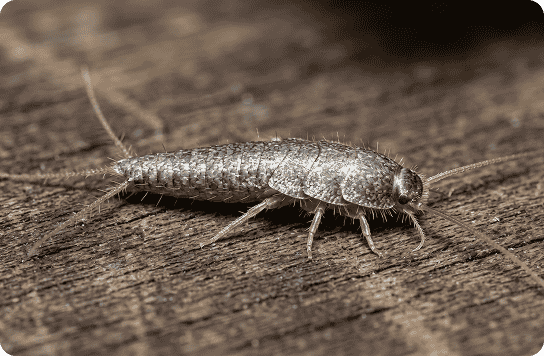
If you’re noticing silverfish in your basement, the simple answer is that your area is likely offering them what they want: moisture, moist air, darkness, and many of hiding spots. In Toronto homes, especially older properties with aging foundations, silverfish often move into basements because these areas remain cooler, damper, and less disturbed than the rest of the house. That makes a basement an ideal place for silverfish to settle in and remain active at night.
For Toronto homeowners, the presence of silverfish is usually less about one bug and more about basement conditions. Drips, condensation, foundation cracks, and stored materials like cardboard boxes can all create a inviting environment. If you’ve been searching for how to get rid of silverfish, the right answer starts with understanding why they’re there in the first place.
How come silverfish show up in basements
Silverfish are drawn to damp environments, shadowy spaces, and still areas where they can shelter during the day and eat at night. A basement often checks all of those needs. Because silverfish are nocturnal, their night activity means you may not spot them until they’re already well established.
The biggest attraction is moisture. Even a slightly damp basement can be enough to encourage silverfish activity if the area also has enough clutter, paper products, or dust. High humidity makes the environment even more appealing. In Toronto, humid summers and freeze-thaw cycles can lead to extra dampness, while cold weather can lead to condensation on walls and pipes.
Many Toronto homeowners also live in older houses where basements were built before modern waterproofing standards. That means aging foundation materials, small cracks, and minor water entry points can add up to create ideal silverfish habitat. If the basement is being used for storage, the problem can grow quietly over time.
Silverfish do not usually arrive because of food scraps alone. They’re often looking for protection and microscopic food sources like dust, glue, lint, and paper fibers. Once they find a suitable location, they may stay hidden for weeks or months.
Usual signs of a silverfish problem
One of the biggest challenges with silverfish is that they remain hidden. A hidden infestation can accumulate long before homeowners realize what’s going on. However, there are some reliable signs of infestation to watch for.
- Silverfish droppings that appear like tiny black pepper-like specks in corners, along baseboards, or near stored items.
- Shed skins staying behind after molting, often in storage areas, behind boxes, or near wall gaps.
- Paper damage on books, documents, labels, wallpaper, or cardboard packaging.
- Book damage where pages look scratched, chewed, or eaten around the edges.
- Small irregular holes or nibbling on dry goods, paper, and glue-backed items.
As silverfish feed on starch and cellulose, signs may show up in places you don’t inspect often. Old files, children’s craft supplies, photo albums, and wallpaper paste can all be affected. If you notice repeated damage to stored paper items, that is often a clue that silverfish are active in the area.
A heavy damp smell, visible dampness, or mould patches can also point to conditions that support silverfish. While silverfish do not cause mold, both issues commonly appear together in damp basements.
What attracts silverfish in Toronto homes
In Toronto homes, silverfish are often drawn in by a blend of moisture sources and food sources. The biggest draws are easy to overlook during everyday use of the basement.
Moisture issues are a major factor. A slow plumbing leak, a moist window well, or seepage around basement walls can keep an area moist enough for silverfish to multiply. Even if the water doesn’t gather visibly, it can still create the kind of persistent dampness that silverfish like.
Cardboard boxes are another typical issue. They retain humidity, offer hiding spots, and often contain paper, adhesive, dust, and fabric fibres. If your basement is filled with seasonal décor, records, or old moving boxes, you may be accidentally creating a silverfish feast.
Starch is a primary source of food. Silverfish are drawn to starch-based materials like wallpaper paste, book bindings, clothing sizing, and some adhesives. This is why pantry areas, craft supplies, and bundles of paper can all become targets.
Insulation can also contribute if it is wet, worn, or providing narrow gaps for shelter. Silverfish may take refuge behind insulation, around rim joists, or inside wall gaps where they remain safe and difficult to reach.
Within older parts of the city, especially where basements have undergone several renovations, the blend of aged materials and moisture intrusion is common. That’s why the very same conditions that affect a downtown Toronto semi can also show up in other parts of the GTA, including homes where residents evaluate service options like pest control mississauga or search for pest control near me.
How to eliminate silverfish down in the basement
If you want to reduce silverfish quickly, start with effective humidity control and cleanup. The goal is to make the basement less appealing and less suitable for them.
- Use a dehumidifier to bring down moisture and reduce humidity in the basement.
- Regular vacuuming helps remove silverfish, eggs, shed skins, dust, and debris from nooks and corners.
- Sealing cracks around baseboards, pipes, and wall gaps can help block entry points and limit hiding places.
- Silica gel packets or moisture-absorbing products can help in small enclosed storage areas.
To get better results, focus on debris cleanup and get rid of clutter that allows silverfish to stay hidden. Move cardboard boxes off the floor, sort through old papers, and store items in sealed, dry containers. If you have books, documents, or sentimental paper items in the basement, inspect them carefully and store them higher up.
It also helps to pinpoint the source of the dampness. If there are visible leaks, condensation on cold pipes, or damp walls after heavy rain, treating the insects without correcting the moisture problem may only give temporary relief. Ongoing control depends on both the bug and the environment.
When do-it-yourself approaches are not enough
Home remedy methods can assist with a small issue, but they may be insufficient if the infestation is growing or if the basement keeps getting damp. When silverfish continue to come back after tidying up, sealing, and dehumidifying, that can indicate a larger infestation.
At that stage, a trained inspection becomes necessary. A careful home inspection can uncover hidden entry points, moisture sources, and nesting areas that are easy to miss. This is especially helpful in older Toronto homes, where the problem may be connected with a combination of foundation movement, seasonal water intrusion, and poor air circulation.
Mosquito Man Toronto224 King St W #2401, Toronto, ON M5J 0A6, Canada
+16472437241
https://maps.app.goo.gl/VbxNrosScd6ZL8U39
https://mosquitoman.ca/pest-control/toronto/
JJX7+23 Toronto, Ontario, Canada
Professional pest control Toronto services often use integrated pest management, which means they look at the root causes instead of relying on a single product. That approach may involve identifying moisture problems, recommending exclusion work, and using targeted treatment where needed. For homeowners comparing pest control near me services, this approach is usually better than a fast spray-and-wait solution.
If you’ve already cleaned, reduced humidity, and tried to seal access points but still see silverfish, it’s time to switch from home remedies to professional help.
How pest control Toronto treats silverfish
Professional pest control Toronto specialists typically commence with a complete inspection of the basement and nearby living areas. They identify moisture sources, evidence of feeding, hiding spots, and the level of activity. This allows them to build a tailored treatment plan based on the specific conditions in your home.
A solid silverfish program often includes exclusion work. That means sealing gaps, addressing cracks, and reducing the places where silverfish can enter or hide. In Toronto basements, exclusion is especially important because older foundation walls and utility penetrations often provide easy access.
Depending on the situation, technicians may apply a residual insecticide in targeted areas such as baseboards, voids, and cracks where silverfish travel. This is usually paired with advice on moisture correction and cleanup so the treatment supports ongoing control.
Many reputable providers also include follow-up service. That matters because silverfish problems can be hard to eliminate if the basement remains humid or if there are multiple hidden areas. A follow-up visit lets the technician check whether activity is dropping and whether the treatment plan needs adjustment.
In practice, the best results usually come from a combination of moisture management, sealing, and targeted treatment. That is the basis of effective pest prevention, not just for silverfish, but for other basement pests as well.
How much does pest control cost in Toronto?
Costs can vary depending on the dimensions of the basement, the seriousness of the issue, and whether moisture remediation or exclusion work is needed. When people ask about pest control Toronto cost, the straightforward answer is that it depends on the inspection findings and the scope of treatment.
For general pest control cost Ontario context, homeowners should expect that silverfish service may be priced separately from one-time general pest visits because it can involve inspection, targeted treatment, and recommendations for moisture management. If the issue is linked to a larger basement problem, the price may reflect the time needed to identify and address the causes.
Searches for pest control near me prices often show a wide range because no two basements are the same. In Toronto, an inspection fee may be part of the initial service, especially if the provider needs to assess wall voids, foundation cracks, or damp storage areas before offering a quote.
For comparison, homeowners in nearby communities may also check pest control mississauga rates or look at local providers across the GTA. The key is to compare more than just the headline price. Ask what is included, whether the visit covers moisture-related recommendations, and whether follow-up service is available if the problem persists.
If you’re dealing with an active infestation, paying for a proper inspection can be more cost-effective than repeatedly buying sprays and traps that don’t address the source.
Toronto basement moisture issues to watch for
Silverfish problems often point to broader basement moisture issues. In Toronto, several factors can combine to create the perfect environment.
Foundation cracks are one of the biggest concerns. Even small cracks can allow water seepage during heavy rain or spring thaw. Over time, these openings may let in enough dampness to support silverfish activity.
A malfunctioning sump pump can also cause problems. If the pump isn’t working properly or the discharge line is blocked, water can gather around the foundation and boost basement humidity.
Condensation is another common issue, especially on cold basement walls, windows, and pipes. https://toronto-onua549.raidersfanteamshop.com/top-season-to-visit-toronto-on-weather-seasons-and-travel-advice During humid Toronto summers, warm air can condense on cooler surfaces and create lasting moisture spots.
Water intrusion may happen during storms, through window wells, at the cove joint, or around utility entry points. In many older Toronto homes, the basement has a history of minor seepage that may not seem severe until pests move in.
If your basement has recurring dampness, silverfish may be a clear signal that the environment needs attention. Fixing the moisture issue can help protect the structure of the home and lower the chance of future pest problems.
Prevention checklist for year-round control
Once you’ve dealt with the immediate silverfish problem, year-round pest prevention is the best way to stop them from coming back. Concentrate on the habits and conditions that keep a basement dry, organized, and less appealing.
- Improve ventilation to keep air moving and help reduce humidity.
- Use sealed storage bins instead of cardboard boxes for long-term basement storage.
- Keep sealed food in proper containers and avoid open pantry items in the basement.
- Schedule regular cleaning to remove dust, lint, and debris where silverfish hide.
- Check for leaks, condensation, and damp spots after storms or temperature swings.
- Inspect paper goods, books, and craft items for early signs of damage.
- Maintain caulking around windows, pipes, and baseboards to help seal entry points.
It’s also smart to rotate stored items occasionally so you can catch activity early. If you notice fresh droppings, shed skins, or new paper damage, act quickly before the problem spreads. Early detection makes control easier and usually reduces the need for more extensive treatment.
For property owners in historic neighbourhoods, prevention is especially important because basement conditions can shift with the seasons. A cool winter basement can become a damp summer one, and a small crack that appeared harmless in January can leak water by spring.
FAQ: silverfish, basements, and pest control in Toronto
Why are silverfish in my basement?
Silverfish are usually in your basement because it offers moisture, moist air, darkness, and shelter. Toronto basements, especially in older homes, often have leaks, condensation, or foundation cracks that make ideal conditions for them.
Are silverfish a sign of a bigger pest problem?
They can be. Silverfish often indicate too much moisture, hidden clutter, or access points that may also attract other pests. A professional inspection can help determine whether the issue is confined to silverfish or part of a broader basement problem.
How do I get rid of silverfish in a basement fast?
Start with cleaning thoroughly, lowering humidity with a dehumidifier, sealing cracks with caulking, and removing cardboard boxes and paper clutter. Silica gel can help in storage areas, but if activity continues, you may need pest control Toronto service for a custom plan.
Can pest control Toronto eliminate silverfish permanently?
Pest control Toronto can significantly reduce or eliminate silverfish activity, but long-term success depends on fixing the moisture source too. A combined pest management approach, exclusion, and follow-up service are important if your basement stays damp or has recurring water intrusion.

How much does silverfish pest control cost in Toronto?
The pest control Toronto cost depends on the inspection findings, infestation severity, basement size, and whether moisture correction or exclusion is needed. Ontario pricing can fluctuate, so pest control cost Ontario estimates are usually based on the specific home rather than a fixed rate. Many companies also charge an inspection fee or include it in the initial service.